
Our SkiFit Injury Screening service has been specially designed to assess skiers of all abilities. We will carry out a thorough objective examination of your biomechanics using six key assessment metrics and provide you with an individualised exercise plan based on the key findings.
1. Ankle flexibility
Ankle flexibility plays a key role in skiing and is often blocked or hindered secondary to abnormal joint mechanics or old injuries. Inability to flex the ankle adequately leads to compensatory strategies and excessive loads further up the kinetic chain.
2. Adduction/abduction strength
Being able to control adduction and abduction of the lower limbs from the ground upwards allows skiers to be able to adequately control width and handle external forces that arise from the conditions in the most biomechanically sound way.
3. Lower limb rotation
Restrictions in the legs ability to rotate can present secondary to conditions such as osteoarthritis in the hips, leading to inability to rotate on our ski’s and inadequate ability to turn. In this metric, our practitioners will objectively assess your ability to rotate each leg specifically to skiing.
4. Single leg strength & control
Being able to control our ski’s and efficiently adjust centre of mass relies on adequate strength and control in the key muscle groups of the leg. Loss of strength and control can cause a loss of symmetry and often the ‘A-frame’ which can leave us vulnerable to ligament injuries such as ACL sprains or tears.
5. Lateral angulation
Being able to lean and laterally flex our bodies is crucial to be able to turn. Often, people have inadequate leaning ability secondary to restrictions in the spine, pelvis or through sedentary lifestyles causing soft tissue tightness.
6. Core stability
Skiing is a sport that requires constant micro adjustments of the body secondary to both intrinsic and extrinsic factors that require us to adjust our centre of mass. A strong core lays firm foundations to be able to do this.
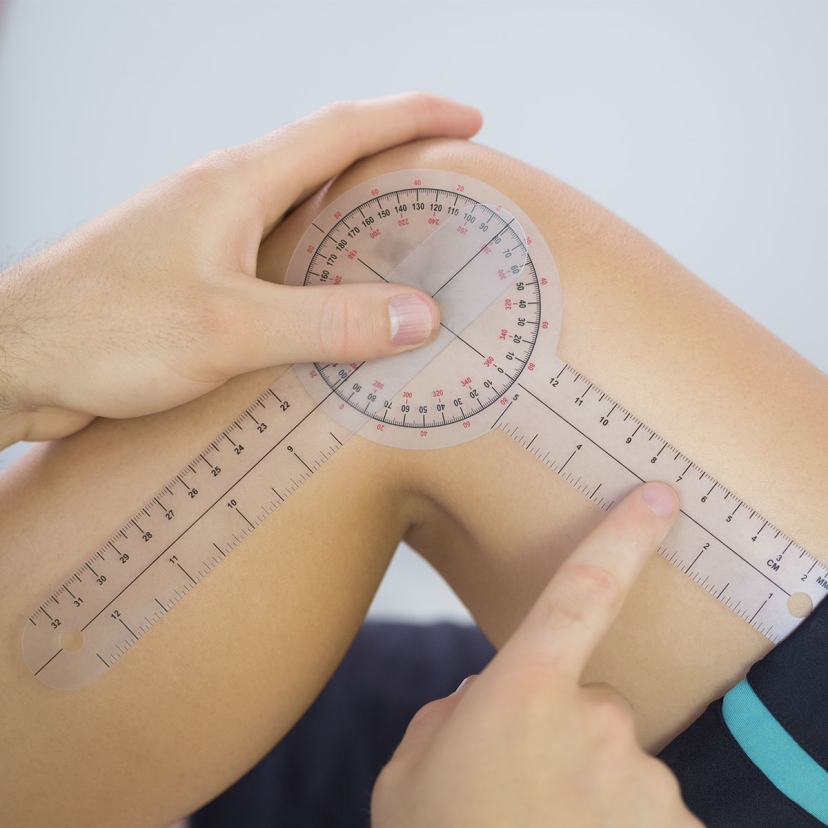
Thanks Sophie, for your support and advice on getting me ski fit and improving my knee, leg strength & flexibility.

Appointments are now available at ThreeSixty Physio. Experience our full-circle approach trusted by elite athletes and everyday people alike – and take the first step towards moving better, feeling stronger, and living pain-free.
